.png)
Fire Damage Restoration in Beaverton, OR: What to Do in the First 24 Hours

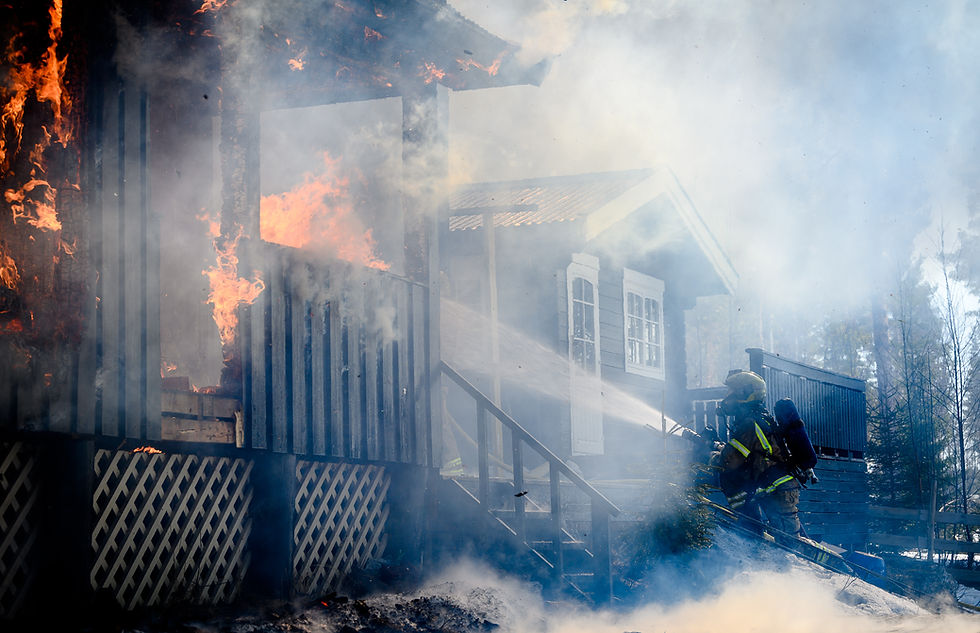
A house fire is one of the most overwhelming situations a homeowner can experience. Even after the flames are extinguished, you may be left dealing with smoke and soot, water from firefighting efforts, damaged belongings, structural concerns, and questions about what to do next.
The first 24 hours can be especially important. Fire damage doesn't necessarily stop when the flames go out. Smoke and soot residue can remain throughout the property, firefighting water can migrate into building materials, and areas weakened by heat may be unsafe to enter. If you're facing fire damage restoration in Beaverton, OR, knowing what to do — and what not to do — can help you prioritize safety, document the loss, and begin the recovery process without accidentally making the damage worse.
Why the First 24 Hours After a House Fire Matter
A fire can create several types of property damage at the same time.
Depending on the severity of the incident, a home may be affected by:
Direct flame and heat damage
Smoke and soot residue
Persistent smoke odors
Water from firefighting efforts
Damaged electrical systems
Structural instability
Contaminated or damaged belongings
Some of these problems can continue affecting the property after the fire department leaves.
Soot can settle onto walls, ceilings, furniture, flooring, and belongings. Smoke odors can become absorbed into porous materials. Water used to extinguish the fire can migrate beneath flooring and into drywall, insulation, subflooring, and wall cavities.
That's why the first stage of fire restoration focuses heavily on safety, documentation, stabilization, and preventing additional damage.
Step 1: Don't Re-Enter Until the Property Is Cleared
The most important thing you can do after a house fire is wait until the appropriate authorities have determined that it is safe to enter.
A home that appears stable from outside may still contain hazards.
Structural Damage
Heat can weaken floor joists, roof systems, framing, stairs, ceilings, and other structural components.
Damage is not always immediately visible, and an area that appears intact may not necessarily be safe to walk through.
Hidden Hot Spots
Materials inside walls, ceilings, flooring, or other concealed spaces can sometimes continue smoldering after visible flames have been extinguished.
Follow the fire department's instructions regarding when the property can safely be entered.
Electrical Hazards
Fire, heat, and firefighting water can damage electrical wiring, outlets, fixtures, appliances, and panels.
Do not attempt to restore power or handle damaged electrical equipment unless the appropriate professional has determined it is safe.
Smoke and Soot
Smoke and soot residue can remain throughout the property after the fire.
Avoid unnecessary exposure to heavily affected areas and follow instructions from emergency personnel regarding safe entry.
Step 2: Avoid DIY Fire and Soot Cleanup
Once homeowners are allowed back inside, the natural instinct is often to start cleaning immediately.
That can sometimes make restoration more difficult.
Don't Scrub Soot From Walls
Soot is not ordinary household dirt.
Different types of soot can behave differently depending on what burned and the surface where the residue settled.
Rubbing or wiping soot using an inappropriate cleaning method can smear the residue, push it deeper into porous materials, or damage painted and finished surfaces.
Don't Clean Upholstery or Carpeting Immediately
Smoke and soot can become embedded in carpeting, curtains, mattresses, upholstered furniture, and other fabrics.
Attempting to clean these materials using household products can sometimes spread or set the contamination.
Don't Turn the HVAC System Back On
If the HVAC system may have been exposed to smoke or soot, avoid operating it until the system has been evaluated.
Running the equipment could potentially circulate particles into areas of the property that were less affected.
Don't Power On Wet Electronics
Electronics and appliances exposed to firefighting water should not simply be plugged in to see whether they still work.
Water may have reached internal components that are not visible from the exterior.
Don't Use Exposed Food
Food, beverages, medications, and other consumable products exposed to heat, smoke, soot, or firefighting chemicals may no longer be appropriate to use.
When you're uncertain about a particular item, follow guidance from the appropriate health, insurance, or restoration professionals rather than assuming it is safe.
Step 3: Contact Your Insurance Provider
Once the immediate emergency is under control, notify your insurance provider about the loss.
Ask what your policy requires regarding:
Documentation
Emergency mitigation
Temporary repairs
Damaged belongings
Temporary housing
Restoration estimates
Claims timelines
Coverage varies by policy, so your insurer or adjuster should be the source for questions about what your specific policy covers. Starting the claims process early also gives you a point of contact while restoration work is being assessed.
Step 4: Document the Fire Damage
When the property has been cleared for safe entry, photograph and record the condition of affected areas before significant cleanup or removal begins.
Document:
Fire and heat damage
Smoke and soot residue
Water damage
Damaged walls, ceilings, and flooring
Furniture and personal belongings
Damaged appliances and electronics
Exterior damage
Rooms that appear less affected
Take more photographs than you think you'll need.
A written or photographed inventory of damaged belongings can also be helpful. Include descriptions and approximate ages or values when possible. Keep receipts associated with temporary housing, emergency repairs, replacement essentials, and other fire-related expenses in case your insurance provider requests them.
Step 5: Secure the Property
A fire can leave a home exposed to additional damage.
Broken windows, damaged doors, openings in exterior walls, or roof damage can allow rain, animals, unauthorized people, or other hazards into the property.
Emergency stabilization may include:
Boarding damaged windows and doors
Tarping roof openings
Securing exposed portions of the structure
Addressing immediate water intrusion concerns
These measures are intended to protect the property while the full restoration scope is being determined.
Step 6: Contact a Fire Damage Restoration Company
Once emergency responders have finished their work and the property can be evaluated, contact a professional restoration company.
Professional fire damage restoration in Beaverton, OR addresses much more than burned materials. A fire loss may require coordinated treatment of structural damage, soot contamination, smoke odors, water damage, and damaged building materials. Beginning the assessment promptly can also help identify secondary damage that isn't immediately obvious.
What Professional Fire Damage Restoration Involves
Every fire loss is different. The restoration process depends on where the fire started, what burned, how far smoke travelled, how much water was used during firefighting, and which portions of the structure were damaged. Professional fire damage restoration commonly involves several stages.
Emergency Board-Up and Tarping
When fire damages windows, doors, roofing, or exterior walls, temporary stabilization may be necessary. Boarding openings and covering damaged roofing can help protect the interior from Oregon rain and other additional exposure while restoration planning takes place.
Fire Damage Assessment
The affected areas are inspected to determine the extent of fire, smoke, soot, and water damage. This assessment helps identify which building materials and contents may be salvageable and which areas require removal or additional restoration.
Water Extraction
Fire restoration frequently involves water damage restoration as well.
Water used by firefighters can collect on floors and travel beneath flooring, behind walls, and into other building materials. Standing water may need to be extracted before structural drying can begin.
Structural Drying and Dehumidification
After excess water has been removed, affected building materials may require professional drying. Air-moving and dehumidification equipment can be used to remove remaining moisture from materials and the surrounding environment.
Moisture levels may also be monitored throughout the drying process to evaluate progress.
Smoke and Soot Removal
Smoke and soot can affect areas beyond the immediate location of the fire.
Residue may settle onto:
Walls
Ceilings
Flooring
Cabinetry
Fixtures
Furniture
Other household contents
Different materials may require different cleaning methods. The objective is to remove the contamination appropriately without unnecessarily damaging surfaces that can potentially be restored.
Removal of Unsalvageable Materials
Some building materials may be too heavily damaged by heat, flames, smoke, soot, or water to remain in place. Damaged drywall, insulation, flooring, cabinetry, or other materials may need to be removed as part of the restoration process.
The extent of removal depends on the condition of the individual property.
Smoke Odor Removal
Smoke odor can remain even after visible soot has been cleaned.
Porous materials such as drywall, wood, carpeting, upholstery, and insulation can absorb smoke compounds. Professional deodorization focuses on addressing the materials and contamination responsible for the odor rather than simply masking the smell with fragrances.
Cleaning and Content Restoration
Furniture, clothing, textiles, electronics, documents, and other belongings may also be affected by smoke, soot, or water. Whether an item can be restored depends on its material, condition, value, and level of contamination. Some belongings may require specialized cleaning, while others may unfortunately be beyond restoration.
Repairs and Reconstruction
Once mitigation and cleaning are complete, damaged portions of the property may require repairs. Depending on the severity of the fire, this can involve replacing drywall, flooring, insulation, paint, cabinetry, trim, or other building components.
More extensive losses may require substantial reconstruction.
Why Smoke Damage Can Extend Beyond the Fire Area
One of the reasons fire restoration can become complicated is that smoke travels.
A fire contained primarily to one room can still leave smoke residue or odors elsewhere in the property. Smoke particles can move through open doorways, wall and ceiling spaces, ventilation systems, and other pathways before settling onto surfaces. That means rooms without visible flame damage should not automatically be assumed unaffected. A professional assessment can help determine how far smoke and soot travelled and which areas actually require cleaning.
Fire Damage and Water Damage Often Happen Together
Homeowners understandably focus on burned materials after a fire, but firefighting water can create another significant restoration issue.
Water may soak into:
Drywall
Insulation
Flooring
Subflooring
Wood framing
Carpeting
Other porous materials
Some of that moisture may remain hidden after visible standing water has been removed.
This is why fire damage restoration may include extraction, structural drying, dehumidification, and moisture monitoring alongside smoke and soot cleanup.
Addressing both problems as part of the same restoration plan helps prevent the water component of the loss from being overlooked.
How Long Does Fire Damage Restoration Take?
There is no single timeline that applies to every fire-damaged property.
A relatively contained kitchen fire with limited structural damage may require a very different restoration process from a fire affecting several rooms or major portions of the structure.
The timeline can depend on:
Size of the affected area
Extent of structural damage
Amount of smoke and soot contamination
Water damage from firefighting
Materials that need removal
Contents requiring cleaning
Repairs or reconstruction required
Insurance and inspection processes
A hands-on assessment is generally necessary before an accurate scope and timeline can be established.
Documenting Fire Damage for Insurance
Insurance coverage depends on your specific policy and the circumstances of the loss. Keep photographs, videos, damaged-property inventories, receipts, estimates, and other documentation associated with the fire.
If temporary repairs or emergency stabilization are required, keep records of that work as well. A restoration company can document the condition of the property, mitigation performed, materials affected, and restoration work completed.
Your insurance provider ultimately determines what is covered under your individual policy.
Fire Damage Restoration in Beaverton, OR
Recovering from a house fire can involve far more than repairing what was directly burned. Smoke and soot may travel throughout the property, firefighting water can affect building materials, and damaged portions of the structure may require stabilization, cleaning, drying, removal, or reconstruction.
Pacific NW Restoration provides professional fire damage restoration in Beaverton, OR, helping property owners address fire, smoke, soot, and related water damage after a loss. If your Beaverton home or business has experienced a fire, wait until emergency personnel have cleared the property for safe entry and then contact Pacific NW Restoration for an assessment of the damage and next steps in the restoration process.
Frequently Asked Questions About Fire Damage Restoration
How soon should I call a fire damage restoration company?
You can contact a restoration company soon after the fire, but restoration work should not interfere with emergency response or begin inside the property until the appropriate authorities have cleared the scene. Early contact can help begin planning for emergency stabilization, damage assessment, and mitigation once access is permitted.
Can I clean smoke and soot damage myself?
Very minor residue on certain surfaces may sometimes be manageable, but soot can be difficult to clean correctly and may extend farther than it appears.
Improper cleaning can smear residue, damage surfaces, or spread contamination. Significant smoke and soot damage is generally best evaluated professionally before cleaning begins.
Why is there water damage after a house fire?
Firefighters may use substantial amounts of water to extinguish a structure fire.
That water can travel into flooring, drywall, insulation, subflooring, wall cavities, and other building materials, creating a water restoration component in addition to the fire and smoke damage.
Can smoke damage rooms where there was no fire?
Yes. Smoke can travel beyond the room where the fire occurred and settle on surfaces elsewhere in the property. The extent depends on the fire, building layout, ventilation, and other conditions.
Will homeowners insurance cover fire damage restoration?
Many homeowners policies provide some form of fire coverage, but limits, deductibles, exclusions, and covered expenses vary. Contact your insurance provider or adjuster directly to determine what your specific policy covers.

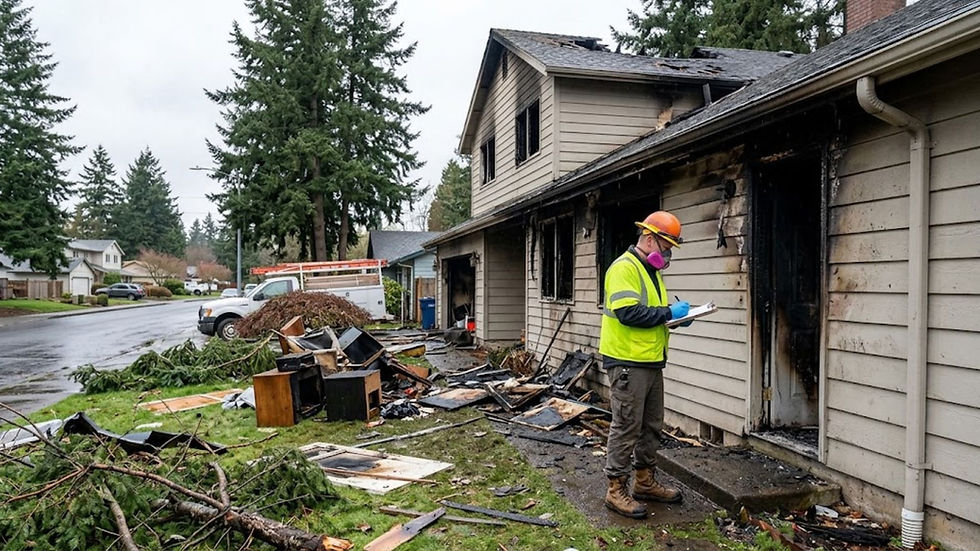

Comments