.png)
Smoke Damage Cleanup in Beaverton, OR: What Homeowners Should Know About Wildfire Smoke
- Sammy Hutton
- 2 days ago
- 9 min read

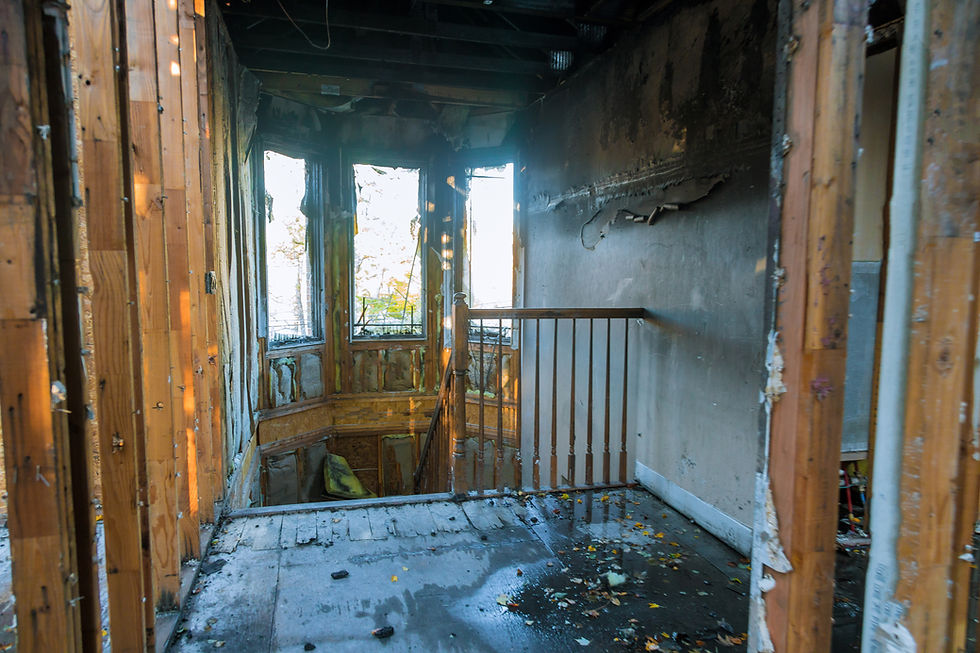
Wildfire smoke has become a seasonal concern throughout the Portland metro area, and Beaverton is no exception. You do not need a wildfire burning directly near your property for smoke and ash to affect your home.
When regional wildfires burn throughout Oregon, Washington, or elsewhere in the Pacific Northwest, smoke can travel significant distances. Fine particles can enter homes through doors, windows, vents, and ventilation systems before settling onto surfaces and becoming absorbed into porous materials.
Even after outdoor air quality improves, homeowners may be left with persistent smoke odors, fine ash or soot residue, and contamination in areas that are difficult to clean. Understanding how wildfire smoke affects your property — and when professional smoke damage cleanup in Beaverton, OR may be necessary — can help you respond appropriately and prevent lingering smoke problems inside your home.
How Wildfire Smoke Gets Into Beaverton Homes
Wildfire smoke contains a mixture of fine particles, gases, and ash capable of travelling far beyond the area immediately surrounding a fire. During Oregon's wildfire season, smoke from fires elsewhere in the state or across the Pacific Northwest can move into Washington County and affect air quality throughout Beaverton and the Portland metro area.
The challenge for homeowners is that smoke does not necessarily stay outdoors.
Fine smoke particles may enter through:
Gaps around doors and windows
Attic and crawlspace vents
Exterior penetrations
Frequently opened doors
Ventilation and HVAC systems
Once inside, particles can settle onto surfaces and become absorbed by carpeting, furniture, curtains, bedding, and other porous materials.
This is why a home can develop a lingering smoky odor even though no fire ever reached the property.
Common Signs of Smoke Damage in Your Home
Smoke damage from a regional wildfire may be less obvious than the heavy soot associated with a structure fire. Homeowners should watch for several potential signs.
Persistent Smoke Odors
Odor is often one of the first things homeowners notice.
Carpeting, upholstered furniture, curtains, mattresses, bedding, clothing, and other porous materials can absorb smoke odors. If the home continues to smell smoky after outdoor air quality has improved and the property has been ventilated, particles or residue may remain in materials or less accessible areas.
Ash or Soot Residue
Fine residue can settle on windowsills, furniture, walls, ceilings, and other surfaces.
Light wildfire residue may resemble ordinary household dust, making it easy to overlook. Check areas around windows, exterior doors, vents, and other potential entry points after a significant smoke event.
Smoke Odors From the HVAC System
If you notice a smoky smell when your heating or cooling system operates, smoke particles may have affected the filter or other parts of the system. Filters can become heavily loaded during prolonged smoke events and may require replacement more frequently than under normal conditions.
Odor in Attics and Other Enclosed Spaces
Attics, crawlspaces, closets, and other enclosed areas can sometimes retain smoke odors longer than open living spaces. A persistent smell in one of these areas may indicate that smoke entered through vents or other exterior openings.
What to Do During a Wildfire Smoke Event
Protecting indoor air quality while outdoor smoke levels remain elevated is the first priority.
Keep Windows and Exterior Doors Closed
During active smoke advisories, keep windows and doors closed as much as practical. Opening the house to ventilate while outdoor air quality remains poor can introduce additional smoke particles rather than removing them.
Reduce Outdoor Air Entering the Home
If your HVAC or ventilation system has settings that control outdoor air intake, follow the manufacturer's recommendations for reducing outside-air intake during a smoke event. Because HVAC systems differ, homeowners should avoid making changes they do not understand or that could interfere with safe system operation.
Use Appropriate Air Filtration
Portable air cleaners equipped with HEPA filtration can help reduce airborne particles in frequently occupied rooms. Homeowners may also consider creating a cleaner-air room where doors and windows remain closed and a properly sized portable air cleaner operates continuously during significant smoke events.
Check Your HVAC Filter
Wildfire smoke can cause filters to load with particles more quickly than usual.
A higher-efficiency filter may capture more fine particles, but the filter should always be compatible with your specific HVAC system. If you are unsure which filter rating your equipment can safely accommodate, consult the system manufacturer or an HVAC professional.
What to Do After Outdoor Smoke Clears
Once outdoor air quality has improved, homeowners can begin addressing smoke that entered the property. Ventilating the home when outside conditions are safe may help remove airborne odors, but ventilation alone will not necessarily remove residue that has settled onto surfaces or been absorbed into porous materials.
Light surface residue may sometimes be carefully cleaned using appropriate methods.
However, avoid aggressively dry sweeping, brushing, or otherwise disturbing significant amounts of ash or soot. Doing so can send fine particles back into the air.
If smoke has affected carpeting, upholstery, ductwork, attics, or other difficult-to-access areas, professional assessment may be appropriate.
When Professional Smoke Damage Cleanup Is Needed
Not every wildfire smoke event requires professional restoration.
A brief period of light smoke exposure may sometimes be manageable through filtration, ventilation after outdoor conditions improve, filter replacement, and normal household cleaning. Professional smoke damage cleanup in Beaverton, OR may be appropriate when:
Smoke odor persists after ventilation and cleaning
Visible ash or soot remains on multiple surfaces
The smell returns when the HVAC system operates
Carpeting or upholstered furniture has absorbed smoke odors
Smoke may have entered an attic or crawlspace
Residue is present in difficult-to-access areas
The property experienced prolonged or particularly heavy smoke exposure
A nearby or structural fire caused more substantial smoke and soot damage
The appropriate response depends on how much smoke entered the property, where particles travelled, and which materials were affected.
What Professional Smoke Damage Cleanup Involves
Professional smoke damage cleanup begins with determining how far smoke and residue have travelled throughout the property. Because smoke particles are extremely small, contamination may extend beyond the areas where odor or residue is immediately noticeable.
Inspection and Damage Assessment
The first step is assessing the property and identifying affected materials and spaces.
This can include checking:
Walls and ceilings
Flooring and carpeting
Upholstered furniture
Closets and enclosed rooms
Attic or crawlspace areas
HVAC-related components
Other porous materials
Understanding where smoke has travelled helps determine the appropriate cleanup approach.
Surface Cleaning
Smoke residue requires cleaning methods appropriate for the affected surface.
Walls, ceilings, fixtures, furniture, and other materials may require different techniques depending on the type and amount of residue present.
The objective is to remove smoke contamination rather than simply conceal staining or odor.
Cleaning Porous Materials
Carpeting, upholstery, curtains, and other porous materials can absorb smoke particles and odor. These materials may require specialized cleaning or deodorization rather than standard surface wiping. Whether an item can be successfully cleaned depends on the severity of the exposure and the material itself.
Air Filtration
Professional air-scrubbing equipment equipped with HEPA filtration may be used during restoration to help capture airborne particles disturbed during cleanup.
Air filtration works alongside physical cleaning rather than replacing it.
HVAC Evaluation
When smoke odors appear to be associated with the heating or cooling system, the system may need to be evaluated to determine whether filters or other components have been affected. The appropriate response depends on the HVAC configuration and the extent of the smoke exposure.
Smoke Odor Removal
Effective odor removal focuses on the source of the odor. Simply spraying fragrances or using household air fresheners may temporarily cover a smoky smell without removing the particles or materials responsible for it. Professional deodorization methods are selected based on the affected materials and extent of contamination.
Why Smoke Odors Can Return After Cleaning
One frustrating part of smoke damage is that a home may smell better immediately after ventilation or basic cleaning, only for the odor to return later.
This can happen when smoke particles remain in porous materials. Carpeting, padding, upholstered furniture, wood, drywall, and other absorbent materials can hold onto smoke residue after exposed surfaces have been cleaned.
Changes in temperature and humidity may also make lingering odors more noticeable. If smoke odor repeatedly returns after cleaning, it may indicate that the source has not been fully addressed.
Wildfire Smoke Damage vs. House Fire Smoke Damage
Smoke from a distant wildfire and smoke from a fire inside or immediately around a structure can affect a home differently. Wildfire smoke may enter gradually and leave fine particles and odors throughout the property. A structure fire can create much heavier concentrations of smoke and soot and may involve residue produced by burned plastics, furnishings, building materials, and other household contents.
Properties affected by a structure fire may also have damage from heat, flames, and firefighting water in addition to smoke contamination. As a result, cleanup after a structure fire is typically more extensive than cleanup following light regional wildfire smoke exposure.
Can You Clean Smoke Damage Yourself?
Minor smoke exposure may sometimes be manageable without professional restoration. Homeowners may be able to replace HVAC filters, ventilate once outdoor air quality improves, launder washable fabrics, and carefully clean light residue from appropriate surfaces.
More extensive contamination is different.
DIY cleanup becomes less practical when smoke has entered:
Carpeting and padding
Upholstered furniture
Attics
Crawlspaces
Wall or ceiling materials
HVAC-related areas
Other porous or difficult-to-access spaces
Aggressively disturbing settled ash or soot can also put fine particles back into the air. If you're unsure how far contamination has travelled, an assessment can help determine whether professional cleanup is necessary.
Documenting Smoke Damage for Insurance
Insurance coverage for wildfire smoke damage depends on the individual policy and circumstances surrounding the loss. If you believe your home has sustained significant smoke damage, contact your insurance provider directly to determine whether your policy provides coverage. Before substantial cleanup begins, document visible conditions when it is safe to do so.
Photograph or record:
Visible ash or soot
Staining or discoloration
Affected rooms
Damaged belongings
Areas where residue has accumulated
Keep records of when the smoke exposure occurred and save receipts for professional restoration or other related expenses. A restoration company can document the condition of the property and work performed, but coverage decisions ultimately belong to your insurance provider.
How Beaverton Homeowners Can Prepare for Future Smoke Events
Wildfire smoke cannot always be avoided, but preparing before air quality deteriorates can make it easier to protect your indoor environment.
Monitor local air quality conditions during wildfire season and close windows and doors before smoke becomes noticeable inside. Keep replacement HVAC filters available so you are prepared if filters become heavily loaded during a prolonged smoke event.
If you use a portable air cleaner, determine which room in your home would work best as a cleaner-air space before an advisory occurs. Check weatherstripping around exterior doors and windows periodically and repair obvious gaps that allow outside air to enter.
These relatively simple steps can help reduce the amount of outdoor smoke entering your home during future wildfire events.
Smoke Damage Cleanup in Beaverton, OR
Wildfire smoke can affect a home even when flames are nowhere near the property. When smoke particles settle into carpeting, furniture, building materials, or difficult-to-access areas, opening the windows after the smoke clears may not be enough to eliminate the resulting odor and residue.
Pacific NW Restoration provides professional smoke damage cleanup in Beaverton, OR, for homeowners dealing with wildfire smoke as well as more significant fire and smoke damage. If your Beaverton home has a lingering smoky odor, visible ash or soot, or signs that smoke may have affected areas you cannot easily clean, contact Pacific NW Restoration to have the damage assessed and determine the appropriate cleanup approach.
Frequently Asked Questions About Smoke Damage Cleanup
Can wildfire smoke damage my Beaverton home even if there isn't a fire nearby?
Yes. Wildfire smoke and fine particles can travel significant distances and affect communities far from an active fire. Smoke can enter homes through doors, windows, vents, and other openings, leaving behind odors or fine residue even when flames never approach the property.
How do I know if I need professional smoke damage cleanup?
Professional cleanup may be appropriate when smoke odors persist after ventilation and normal cleaning, visible ash or soot remains throughout the property, porous materials have absorbed odors, or smoke may have reached difficult-to-access areas. A smoky odor associated with your heating or cooling system can also be a reason to investigate further.
How long can wildfire smoke odor last inside a house?
The timeline varies depending on how much smoke entered the home and which materials were affected. Odor absorbed by carpeting, upholstery, wood, drywall, or other porous materials can persist after the airborne smoke has cleared. If the smell repeatedly returns after ventilation and cleaning, remaining smoke residue may need additional attention.
Can smoke odor be permanently removed?
Smoke odors can often be successfully addressed when the affected materials and sources of contamination are identified and properly cleaned.
The appropriate treatment depends on where the smoke travelled and which materials absorbed the odor. Simply masking the smell with fragrances does not remove the underlying smoke residue.
Does homeowners insurance cover wildfire smoke damage?
Coverage varies depending on your insurance policy and the circumstances of the loss. Contact your insurance provider directly to determine whether smoke cleanup or restoration is covered and what documentation is required for a potential claim.


Comments